Quiero que el oyente sienta algo y tenga una melodía a la que aferrarse
Por José Ramón González.
Traducción: Ainara Gómez Pizarro.
English version below.
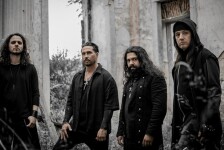
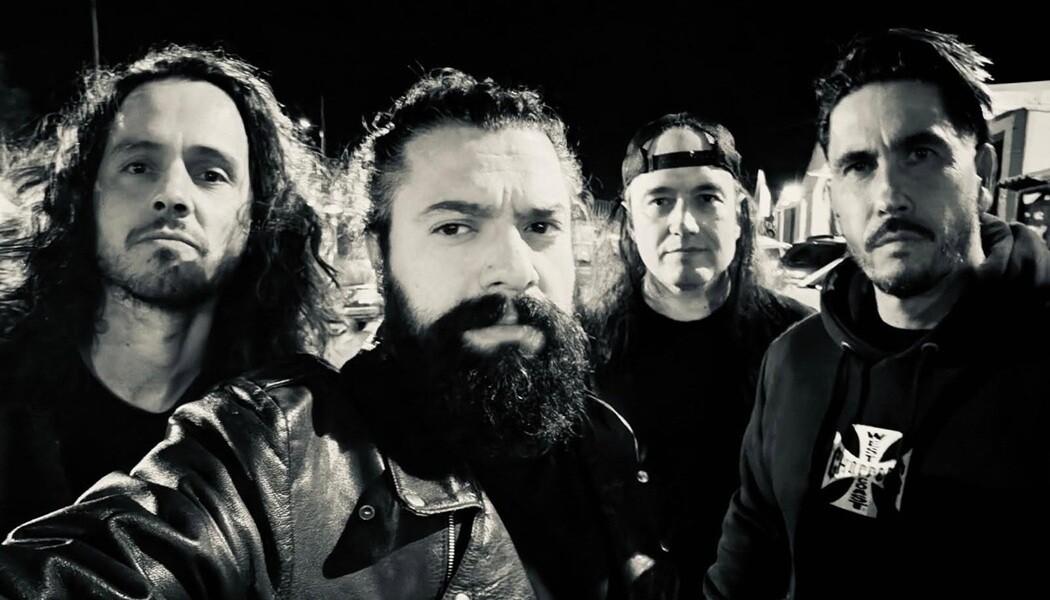
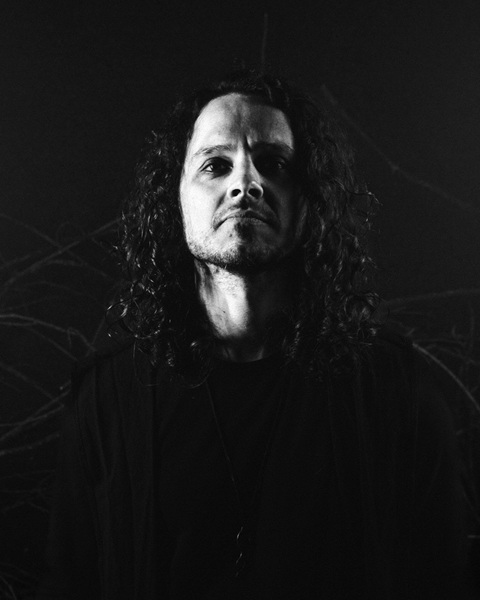
Aún impresionados por el excelente disco que la banda portuguesa Maledictus publicará el próximo 13 de noviembre a través de Fireflash Records, nos apresuramos a contactar con el guitarra Ben Stockwell, quien responde a nuestras preguntas muy atentamente y nos da detalles precisos e interesantes acerca de la creación del disco, su concepto de la música, intereses y el proceso de composición de las canciones que conforman este logradísimo álbum titulado Lazarvs. Le agradecemos enormemente a Ben su generosidad por el tiempo que nos ha dedicado.
Hola, Ben. Gracias por atendernos. La verdad es que, una vez escuchado vuestro primer álbum, Lazarvs, no podemos estar más encantados. Te agradecería que, para empezar, nos contaras cómo se forma Maledictus. Si no me equivoco, casi todos los miembros venís de una anterior banda: Seventh Storm.
¡Muchas gracias por esta oportunidad! Maledictus se formó cuando la mayoría de nosotros dejamos de pertenecer a Seventh Storm, y debido a que todos éramos amigos, quisimos seguir creando música juntos, así que decidimos comenzar un nuevo proyecto. Estamos orgullosos de esa etapa, pero sentimos que definitivamente necesitábamos un cambio. Rez, Josh, Butch y yo quisimos seguir trabajando juntos. Al integrar a Peter en la banda, quisimos ahondar en otros proyectos musicales. Josh también dejó la banda, pero todavía nos llevamos bien con él, y a día de hoy todavía seguimos siendo amigos. El nombre de Maledictus sonaba muy natural para este nuevo comienzo porque reflejaba parte de nuestra historia mientras que al mismo tiempo nos permitía desarrollar una nueva identidad musical.
Parece que Peter se ha adaptado muy bien a vosotros tres, que ya habíais trabajado juntos.
Josh y Rez ya lo conocían y decidimos hacerle una audición para ver si encajaría en la banda. Después de haber tocado juntos, sentimos inmediatamente esa fuerte conexión. Lo que más importaba era su actitud receptiva para comprender la atmósfera de lo que queríamos explorar y hacia dónde podía conducir ese viaje. Él se convirtió en mi socio creativo más cercano durante el proceso de composición, tratando de probar contantemente diferentes enfoques rítmicos y animándome a crear nuevos «riffs». Además, él está muy atento a las melodías y a lo que hacen los demás instrumentos, por eso considero que su contribución fue mucho más allá de simplemente integrarse en un grupo ya existente: su personalidad y sus ideas musicales ayudaron a dar forma a lo que Maledictus llegó a ser realmente.
¿Cuánto tiempo habéis estado trabajando en Lazarvs? ¿Ha sido muy largo el proceso de composición?
El proceso de composición y producción duró casi dos años. Había mucho material que explorar y parte del proceso se trataba sobre descubrir qué ideas pertenecían a cada canción. Al principio soy más propenso a escribir libremente y a veces meto muchos más elementos de los que se necesitan. Después nos ocupamos de trabajar sobre las canciones juntos, las escuchamos varias veces (en distintos días y con estados de ánimo muy diversos) y eliminamos lo que suena excesivo con el objetivo de estar en el «pocket» de cada canción. Rez, Crushes, Butch y nuestro productor, Dr. Johnny, fueron muy importantes en ese proceso de producción.
Me resulta difícil clasificar el estilo de la banda. Tiene un sonido muy actual y salvaje, pero la cantidad de melodías presentes es muy relevante. A pesar de la dureza de las canciones uno no puede resistirse a ese conglomerado de melodías, tanto en la voz como en las guitarras.
Heavy, melódico, oscuro y atmosférico describen muy bien nuestro proyecto, pero aun así no llega a abarcar todo lo que conforma nuestro sonido. Disfrutamos de ese lado más oscuro y teatral y también nos gusta la música que pueda sonar muy agresiva y vulnerable. Tengo debilidad por la melodía y pienso que es esencial para que la música llegue a conectar con una audiencia específica. Incluso cuando los arreglos se convierten en algo más complejo, todavía quiero que el oyente sienta algo y tenga una melodía a la que aferrarse. Cada uno de nosotros tiene influencias musicales diferentes, así que el carácter de la banda emergió a partir de nosotros trabajando juntos, más que de estar decidiendo un estilo de antemano. Además, hay un enfoque cinematográfico en los arreglos porque me gusta la idea de que un fragmento musical pueda sugerir una imagen mental o crear una atmósfera determinada en tu mente.
Hablando de las guitarras, Ben, me gustan muchísimo las rítmicas de todo el disco, creo que has hecho un trabajo sobresaliente. Suenan muy potentes y dinámicas. Supongo que has trabajado mucho en ellas ¿no?
¡Muchas gracias, eso significa mucho para mí! Sí, he hecho un gran trabajo a la hora de encontrar las partes de guitarra adecuadas y hacer que encajaran correctamente dentro de los arreglos. Le doy vueltas a las ideas en mi cabeza una y otra vez hasta quedar satisfecho con ellas, llegando a tal punto de ser algo obsesivo. Es un proceso largo en el que tienes que ser crítico con tu propio trabajo, tratando de encontrar una atmósfera a cada fragmento y canción, solamente sigo mi intuición musical. Tocar con Crushes me planteó el gran reto de reaccionar ante sus ideas rítmicas y encontrar un lenguaje guitarrístico que consolidase la identidad de la banda. El mayor reto fue, como suele pasar, la producción: teníamos el bajo, teclado, batería y varias pistas de guitarra adicionales, por lo cual todo necesitaba su espacio. Dr. Johnny fue inestimable al ayudarnos a encontrar los sonidos adecuados, efectos y las correcciones que hicieron que la música sonase cohesiva. Quería que las guitarras fueran agresivas y potentes mientras que al mismo tiempo sonasen melódicas y musicales.
Rez es un cantante espectacular, canta con un dramatismo que impresiona.
Estoy completamente de acuerdo. Rez tiene la mejor voz del mundo (¿se nota que tengo cierto favoritismo hacia él, cierto?), con mucha potencia, pero también con un matiz más oscuro y vulnerable que hace que las melodías resulten emocionalmente convincentes. Es capaz de aportar una gran carga emocional a ciertas letras, lo cual encajará a la perfección en cada una de las canciones. Su voz única le da mucho carácter a nuestro sonido. Sus referentes musicales incluyen a Dio, Jørn Lande, Rusell Allen, Ronnie Romero y David Coverdale, pero él le da su propia personalidad a lo que está cantando. Además, estuvo muy presente durante el proceso de composición y su orientación espiritual fue muy importante para poder encontrar la identidad musical de Maledictus. Incluso cuando no podía estar en el estudio, se escuchaba los riffs y las melodías, y ayudaba a definir su rumbo. Compartíamos nuestras ideas constantemente y yo cambiaba muy a menudo los arreglos de guitarra para poder darle el espacio que necesitaba a la línea melódica vocal. Su contribución fue mucho más que estar cantando sobre las pistas instrumentales.
Diría que hay resonancias de algunas bandas (yo citaba a Ark, a Blind Guardian o a Conception), pero claro, cada uno escucha lo que le resulta más cercano. ¿Cuáles son vuestras bandas favoritas o con las que os identificáis más?
Nuestras influencias musicales son muy variadas, aunque tenemos muchos puntos en común. Metallica, Iron Maiden, Black Sabbath, Dio, Pantera y Megadeth forman parte de esos cimientos; por mi parte, mis influencias musicales son Dream Theater, Tool, Opeth, Gojira, Mastodon y Ghost. También crecí escuchando mucha música progresiva que le gustaba a mi padre: Pink Floyd, The Beatles, Led Zeppelin, Genesis, Yes y The Moody Blues, entre otros. Siempre me sentí atraído hacia las canciones más melancólicas de esas bandas. Diría que las bandas con las que más me identifico musicalmente hablando son Opeth, Mastodon y Tool, con ese tipo de estética musical introspectiva y abstracta, junto con la solidez de Metallica y Iron Maiden. Lo cierto es que todas esas influencias permanecen en un segundo plano. Sin embargo, a medida que desarrollamos una canción juntos, las personalidades individuales cobran protagonismo. Es ahí donde empieza a surgir nuestra propia identidad.
Habéis elegido una temática bastante oscura para vuestras canciones. ¿Qué buscáis que expresen vuestras composiciones?, porque creo que le dais mucha relevancia a las sensaciones que se transmiten a través de las canciones, y lo conseguís, es un disco muy intenso en ese aspecto.
Mientras que voy componiendo música, me gusta explorar melodías melancólicas y tristes con un matiz esperanzador. En cierto modo refleja quién soy y cómo proceso las emociones y mi vida. Me gusta incorporar mucha melodía a las canciones, porque creo en el poder de una buena línea melódica; además, me encanta el proceso de dar con la canción en la que esas ideas puedan brillar, mediante «riffs» que generen el contraste adecuado. Rez compone canciones de manera poética a partir de experiencias personales, y al ser amigos íntimos y compartir algunos problemas, nos reflejamos mucho en todos esos sentimientos. Las canciones hablan sobre la pérdida, relaciones complicadas, conflictos internos y las cosas que a todos nos resultan difícil dejar ir. La idea de renacimiento que subyace en Lazarvs dota a esas experiencias de un contexto más amplio, en el que los finales también pueden dejar espacio para nuevos comienzos.
¿Ha habido alguna lectura o autor o película que os haya servido de inspiración?
No tengo ninguna novela ni película específica en mente… A lo mejor sí que existía una cierta estética, propia de determinadas películas góticas, que me sirvieron de inspiración y me situaron en el estado mental adecuado para que surgieran ciertas ideas, porque amo la atmósfera misteriosa y oscura de esas películas. Soy un cinéfilo, así que me encanta el poder que tienen las bandas sonoras de las películas en general. Muchas de las melodías de un sinfín de películas que he visto con el paso de los años han resonado conmigo para siempre: de John Williams a Hans Zimmer, James Newton Howard, Thoman Newman, Howard Shore… He absorbido mucho conocimiento de sus obras.
Hay un montón de cambios de ritmo que funcionan a la perfección, se desarrollan de manera muy natural. ¿Cómo habéis conseguido esa fluidez?
Un montón de los cambios de ritmo provienen de la manera en que Crushes y yo hemos desarrollado ideas juntos. Pasamos meses en el estudio dando forma a la mayor parte del sonido de Maledictus. Él siempre está dispuesto a probar diversos enfoques rítmicos y eso me lleva hacia un riff o melodía que no habría encontrado de ninguna otra manera. La edición también fue muy importante ya que pasamos mucho tiempo tratando de decidir qué serviría en cada canción y qué necesitaba eliminarse. Rez fue muy importante a la hora de depurar los excesos y, al mismo tiempo, identificar los elementos esenciales para que las voces pudieran brillar. Dr. Johnny le dio una perspectiva inestimable a la producción y a los arreglos. La música puede variar en intensidad o complejidad, pero aun así debes sentir que sigues la misma canción; en general, debe sonar a Maledictus.
Una de las que tiene unos cambios más llamativos es «Sirens Lullaby», una de las grandes canciones del disco. ¿Cómo surgió esa canción?
Esa canción surgió con un «riff» que Josh me envió, el «riff» de la segunda parte de la letra, después empecé a adaptar esa idea para tocarla como un arpegio con las cuerdas al aire. A continuación, me puse a tocar arpegios en distintas notas, alternando entre sol y do, y así se creó toda la primera parte de la canción. Tenía un carácter que nos daba margen para explorar algo particularmente inquietante y atmosférico. Esta es una canción que demuestra la importancia de un equilibrio entre cómo la melodía y la pesadumbre son tan importantes para una canción así: la atmósfera necesita espacio para respirar mientras que los pasajes más intensos siguen perteneciendo a ese mismo mundo. A los pocos minutos decidimos desviarnos del camino con un «riff» sorprendentemente genial. Es una de las canciones favoritas de Crushes debido a su atmósfera y su melodía. Me alegra mucho que esta canción te haya llamado la atención, porque muestra otra faceta del álbum.
Las canciones tienen una duración de alrededor de seis minutos, lo que no es lo más habitual. La verdad es que creo que, para el desarrollo de todas esas emociones es una duración muy apropiada. ¿Ha sido algo premeditado o ha surgido de manera natural?
Ha surgido de manera natural. No compusimos canciones pensando específicamente en una duración; estábamos tratando de encontrar la mejor estructura posible para cada canción. De hecho, varias versiones iniciales de las canciones eran, en realidad, más largas, ya que me dejo llevar explorando ideas con mi guitarra. Esa libertad de explorar ideas resulta útil al principio porque se necesita tal libertad para plasmar ideas antes de empezar a comprender la canción. Pero luego necesitas analizar críticamente cada una de ellas. Todos fueron de gran ayuda en el proceso, especialmente Rez ya que fue muy constructivo con sus contribuciones para poder darle un buen enfoque a las canciones. Por ejemplo: «Maledictus» perdió alrededor de dos minutos a medida que fuimos perfeccionándola. Una vez que los ajustes lograban que la canción ganase fuerza, no tuve inconveniente en prescindir del material sobrante. La duración final refleja el punto en el que consideramos que las canciones estaban completas, era el tiempo suficiente para que cada una evolucionase sin prisas, pero sin caer en la autocomplacencia.
Una de mis canciones favoritas es «Shadows». ¿Qué me puedes decir de ella?
¡Muchas gracias! Esa canción trata sobre liberarse a sí mismo y dejar de vivir a la sombra de otro. Es una señal para reconocer tu propio valor, recuperar tu identidad y encontrar la valentía para vivir a tu manera. Pero antes de que seas capaz de encontrar tu libertad, debes caminar solo en las sombras. Es un buen ejemplo de una canción que, al ser muy melódica, tiene momentos muy oscuros y atmosféricos, pero también tiene un mensaje y coro inspirador. Estoy muy satisfecho con muchos de los aspectos melódicos de la canción y tiene uno de los coros más pegadizos en todo el álbum.
¿Tú tienes debilidad por alguna de las canciones del álbum?
Tengo debilidad por «Black Halo». La letra y la melodía significan mucho para mí porque representan el punto en el que estaba en mi vida cuando esa canción se escribió. Estoy muy orgulloso tanto de los riffs y melodías que hay, como del enfoque vocal que Rez le dio a la canción. Eso llevó la canción a otro nivel. En realidad, se trató de un lado B que terminó superando a muchas de las otras canciones del álbum. También tengo debilidad por «Crypt of Dreams» porque su tema melódico fue la primera idea que compuse para lo que terminaría convirtiéndose en Lazarvs. Me orientó en cómo podría ser el nuevo álbum en el que estaría trabajando. Los demás tienen debilidad por otras canciones: a Rez también le gusta «Black Halo», a Butch le gusta lo robusto que es «Leviathan» y la melancolía de «Silentium», mientras que Crushes conecta mucho con «Siren’s Lullaby» y «Madam Death».
Me gusta especialmente que «Black Halo» termine de manera pausada repitiendo el estribillo que es tan rítmico, creo que es un verdadero acierto.
¡Gracias! Estoy muy orgulloso del coro de «Black Halo». Es un buen ejemplo de cómo una idea sólida puede ser muy simple, pero puede funcionar muy bien en diferentes dinámicas mientras que al mismo tiempo lleva el mismo peso y emoción. Invertimos mucho tiempo en este álbum para encontrar un equilibrio entre arreglos detallados y dar a las ideas más sólidas el espacio suficiente para que respiren y brillen. Para mí un coro debería de tener esa carga emocional que permanezca con el oyente.
Cerráis el disco con una canción que se titula como el grupo. ¿Representa algo especial para vosotros?
Sí representa algo especial para nosotros. Al cerrar el álbum con «Maledictus» se siente como si estuviéramos poniendo nuestra propia firma en el disco y expresamos quiénes somos ahora mismo. El nombre conecta con nuestro pasado, pero la canción también expresa nuestro deseo de seguir explorando temas, esa canción en concreto es la más progresiva y extensa de todo el álbum. Las ideas iniciales surgieron de un ensayo en el que Rez y yo estábamos esperando a Crushes. Rez se puso a tocar la batería y yo me puse a tocar «riffs» sobre ritmos simples, y él se puso a cantar sobre ellos. El coro fue una de las primeras cosas que encontramos. Se desarrolló considerablemente después de que comenzase a trabajar en la canción con Crushes y se convirtió en nuestra canción más larga. Se sentía bien cerrar el disco con una canción tan épica como esa. Y después de todo lo que el álbum atraviesa, terminar con esa pieza de mayor envergadura se sintió como una contundente declaración de la identidad de la banda.
Además de volver a felicitaros por el fabuloso disco que vais a publicar en breve, te agradezco que nos hayas atendido y esperamos que sea posible veros tocar estas canciones pronto.
Muchas gracias por escuchar con tanta atención nuestro álbum y por darnos la oportunidad de hablar sobre ello. Lazarvs se publicará este 13 de noviembre a través de Fireflash Records, y nuestro primer concierto tendrá lugar el 5 de diciembre en República da Música (Lisboa). Tenemos muchas ganas de compartir por fin estas canciones con el público. Dr. Johnny se unirá a nosotros actuando como la segunda guitarra para que podamos llevar al escenario esas armonías y todo el peso de los arreglos. Nos gustaría tener las oportunidades adecuadas de tocar en el extranjero, más allá de Portugal. Muchas gracias a todos los que nos han descubierto por dedicar parte de su tiempo a nuestra música. ¡Esperamos que os hayan gustado las canciones y que podamos reunirnos con vosotros en algún concierto!
English version.
I still want the listener to feel something and have a melody to hold on to
By José Ramón González.
We’re still impressed about the excellent album that will be released on November 13th by the Portuguese band Maledictus, throughout Fireflash Records. We have contacted Ben Stockwell, the band’s guitar player, who will be answering our questions attentively and giving us both precise and interesting details about: the album’s creation, his concept of music, and songwriting process that makes up this well-done album called Lazarvs. We thank Ben for his generosity in the time he has dedicated to us.
Hello Ben. Thanks for attending us. The truth is, having listened to your first album, Lazarvs, we couldn’t be more delighted. To begin with, I would appreciate that you could tell us about how Maledictus was created. If I’m not mistaken, almost all of the members formerly belonged to another band: Seventh storm.
Thank you so much for this opportunity! Maledictus began after most of us left Seventh Storm and because we’re all friends and we still wanted to keep on creating music together, we started a new project. We are proud of that chapter but we felt like we definitely needed a change. Rez, Josh, Butch and I wanted to continue working together and by bringing Peter Crushes into the band we kind of wanted to explore other musical ventures. Josh has since left on good terms, and we remain friends. The name Maledictus felt like a natural name for this new beginning because it reflected part of our shared history while also allowing us to develop a new musical identity.
It seems Peter has adapted very well to the three of you, who had already worked together.
Josh and Rez knew of him and we arranged to have an audition to see how he would fit. Once we played together, we felt that power immediately. What mattered just as much was his openness to understand the atmosphere of what we wanted to explore and where that journey could go. He became my closest creative partner during the songwriting process, constantly trying different rhythmic approaches and encouraging me to come up with new riffs. He is also very attentive to melodies and to what the other instruments are doing so that’s why I believe that his contribution went well beyond fitting into an existing group: his personality and musical ideas helped shape what Maledictus actually became.
How long have you been working on Lazarvs? Has the song writing process been very long?
The songwriting and production took almost two years. There was a lot of material to explore, and part of the process was discovering which ideas really belonged to each song. I tend to write quite freely at first, sometimes putting more into a song than it ultimately needs. Then we work through it together, listening to it several times (and on different days with different moods) editing out what sounds excessive in order to find the pocket of each song. Rez, Crushes, Butch and our producer, Dr. Johnny, were all very important in that process.
I find it difficult to classify the band’s music style. It has a contemporary and savage sound, yet the number of present melodies is greatly relevant. Despite the roughness of the songs, you can’t resist yourself to the mixture of melodies both in the vocal and guitar tracks.
Heavy, melodic, dark and atmospheric very much describes our blueprint but it still falls short of everything that comprises our sound, nevertheless. We enjoy that darker, theatrical side, and we like music that can sound vulnerable and very aggressive as well. Melody is my weakness and I believe it to be essential for the music to connect with an audience. Even when the arrangements become more complex, I still want the listener to feel something and have a melody to hold on to. Each of us brings different influences, so the character of the band emerged through working together rather than deciding on a strict style beforehand. There is also a cinematic approach to the arrangements because I like the idea that a musical passage can suggest an image or create an atmosphere in your mind.
Speaking of guitars, Ben, I like a lot the rhythm guitars in the whole album, I think you’ve done an outstanding job, they sound very powerful and dynamic. I suppose you’ve worked a lot on them, isn’t it?
Thank you for that! Really means a lot…! Yes, a great deal of work went into finding the right guitar parts and making them sit properly within the arrangements. I’ll be playing ideas over and over in my head until I’m happy with them, to the point it almost becomes obsessive. It’s a long process of being critical of your own work, trying to find a vibe and identity to each passage and song, and just following my musical gut. Playing with Crushes challenged me a lot to respond to his rhythmic ideas and find a guitar language that cemented the band’s identity. The biggest challenge, though, was often in the production: we had bass, keyboards, drums and several guitar layers, and everything needed space. Dr. Johnny was invaluable in helping us find the sounds, effects and edits that made the music cohesive. I wanted the guitars to be aggressive and powerful while also sounding musical and melodic.
Rez is a spectacular singer, he sings with an impressive dramatism.
I completely agree. Rez has one of the best voices out there (I’m biased right?) with a lot of power, but also a darker, vulnerable quality that makes the melodies emotionally convincing. He can bring a great deal of emotion to certain lyrics that will suit perfectly in each different song. His unique voice brings a lot of character to our sound. His references include Dio, Jørn Lande, Rusell Allen, Ronnie Romero and David Coverdale, but he brings his own personality to what he sings. He was also present throughout the songwriting process and his spiritual guidance was very important to find the musical identity of Maledictus. Even when he could not be in the studio, he would listen to the riffs and melodies and help shape their direction. We would exchange ideas constantly, and I would very often change guitar arrangements to give a vocal line the space it needs. His contribution is much broader than coming in to sing over finished instrumental tracks.
Musically speaking I’d say that there are some similarities with some bands (such as Ark, Blind Guardian or Conception), but of course, people listen to whatever that they like the most. What are your favourite bands and the ones that you identify with the most?
Our influences are quite varied, although we share a lot of common ground. Metallica, Iron Maiden, Black Sabbath, Dio, Pantera, Megadeth are part of that foundation, and for me, my personal influences are Dream Theater, Tool, Opeth, Gojira, Mastodon, and Ghost.. I also grew up listening to a lot of progressive music my father enjoyed: Pink Floyd, The Beatles, Led Zeppelin, Genesis, Yes and The Moody Blues, among others. I was always drawn to the sadder, more melancholic songs of those bands. I’d say the ones I identify the most musically would be in between Opeth/Mastodon/Tool – with that introspective and abstract kind of musical aesthetic with the groundness of Metallica and Maiden. The fact is those influences are all somewhere in the background, but as we develop a song together, the individual personalities take over. That is where our own identity starts to emerge.
You have chosen very dark themes for your songs. What do you aim to convey with your songs? Because I believe you give great relevance to the emotions, which are transmitted throughout the songs. In this respect, you have achieved such effect in a very intense album.
As I write music I like to explore sad and melancholic melodies with an uplifting twist. It kind of reflects who I am and how I process life and emotions. I like to bring a lot of melody into the songs because I believe in the power of a good melodic line and I love the process of finding the song where those ideas will shine with riffs that will create the proper contrast. Lyrically, Rez writes from personal experiences, and because we are close friends and share some struggles, we can recognize ourselves in a lot of those same feelings. The songs explore loss, difficult relationships, inner conflict and the things we all tend to find hard to let go of. The idea of rebirth behind LAZARVS gives those experiences a wider context of how endings can also leave room for new beginnings.
Are there any books, authors or films that have served you as a source of inspiration?
I wouldn’t say there was any specific source of inspiration coming from any specific novel or film… Maybe there was a certain aesthetic from certain gothic movies that kind of served as inspiration and brought me to a proper headspace for certain ideas to manifest – because I love the dark and mysterious atmosphere of those movies. But in general, I am kind of a movie buff so I love the power that movie soundtracks hold in general and a lot of melodies from a lot of movies I watched over the years have stayed with me forever: from John Williams, to Hans Zimmer, James Newton Howard, Thoman Newman, Howard Shore… I drink a lot of knowledge from their work.
There are a lot of changes in tempo that work perfectly, they flourish in a very natural way. How did you achieve such fluency?
A lot of it comes from the way Crushes and I developed ideas together. We sat in the studio for months carving out the bulk of the Maledictus sound. He is always willing to try a different rhythmic approach, and that can lead me towards a riff or melody I would not have found otherwise. The editing was also very important because we spent a lot of time deciding what actually served each song and what needed to be edited out. Rez was very important in fleshing out what was excessive while trying to find the meat for the vocals to shine. Dr. Johnny brought an invaluable perspective to the arrangements and production. The music can change in intensity or complexity, but you should still feel that you are following the same song and overall it needs to sound like Maledictus.
One of the songs that contain the most eye-catching changes in tempo is “Sirens Lullaby”, it’s one of the greatest songs in the Lazarvs. How was this song created?
That song began with a riff Josh sent me – the second verse riff -, then I started arranging that idea to play it as an arpeggio with open strings. To follow that, I started playing arpeggios in different keys going back and forth between G and C and the whole first section of the song was created. It had a character that gave us room to explore something particularly atmospheric and unsettling. This is a song that shows how the balance between melody and heaviness matters so much in a song like this: the atmosphere needs room to breathe, while the more intense passages still belong to that same world. A few minutes in we just decided to go off road with a surprising groovy riff. It is one of Crushes’s favourites because of its atmosphere and melody. I am really pleased that it stands out to you, because it shows another side of the album.
The songs approximately have a six-minute duration, which isn’t usual. The fact is that in order to develop all those songs, it’s actually a proper duration. Has the duration of the songs been planned or did it happen in a natural way?
It happened naturally. We were not writing towards a specific running time; we were trying to find the best possible structure for each song. In fact, several early versions were actually longer because I can get quite carried away while exploring ideas on the guitar. That freedom is useful at the beginning because you need that freedom to write ideas before you start to understand the song, but afterwards you need to listen to each of them more critically. Everyone helped with that, specially Rez who was very constructive with his contributions to keep the songs focused. “Maledictus”, for example, lost around two minutes as we refined it. Once an edit made the song stronger, I was happy to let the extra material go. The final lengths reflect where the songs felt complete to us, with enough time for each to evolve without feeling rushed while, at the same time, not becoming too self-indulging.
One of my favourite songs is “Shadows”. What can you tell me about it?
Thank you very much. That song is about breaking free and refusing to live under someone else’s shadow. It is a call to recognize your own worth, reclaim your identity, and find the courage to live under your own terms. But before you’re able to find your freedom you still walk alone in the “Shadows”. That is a good example of a song that is very melodic, has very dark and atmospheric moments but ultimately has an uplifting message and chorus. I am very happy with a lot of melodic aspects of that song and it has one of the most catchy chorus on the album.
Do you have any favourite songs in the album?
“Black Halo” is definitely one of my personal favourites. The lyrics and melodies mean a great deal to me because of where I was in my life when that song was written. I am very proud of the melodies and riffs in there and the vocal approach that Rez brought to the song just raised it to whole new level. This was actually a b-side that outgrew a lot of the other songs on the album. I would also mention “Crypt of Dreams”, because its melodic theme was the first idea I wrote for what eventually became LAZARVS. It gave me a sense of direction to what a new album I would be working on could be. The others have different favourites: Rez also has a favourite in Black Halo, Butch loves how well rounded “Leviathan” is and the heaviness of “Silentium”, while Crushes especially connects with “Siren’s Lullaby” and “Madam Death”.
What I like the most about “Black Halo” is that it ends in a paused way, repeating the so rhythmic chorus. I think it’s a wise choice.
Thank you! I’m very proud of the chorus of “Black Halo”. It is a good example of how a strong idea can be very simple but can work really well in different dynamics while still carrying the same weight and emotion. We spent a lot of time on this album finding the balance between detailed arrangements but giving the strongest ideas the proper space to breathe and shine. For me, a chorus should have that emotional weight that it stays with the listener.
The album finishes with a song that has the same name as the band’s. Does it represent something meaningful for you?
Very much so. Closing with “Maledictus” feels like putting our signature on the record and saying that this is who we are now. The name connects with our past, but the song also expresses our desire to keep exploring and that one in particular is the most expansive and progressive of the album. Its first ideas came from a rehearsal when Rez and I were waiting for Crushes. Rez sat at the drums, I started playing riffs over some simple beats, and he sang melodies over them. The chorus was one of the first things we found. It developed considerably afterwards as I started working on the song with Crushes and it became our longest song. It just felt right to close the album with an epic song like that. After everything the album moves through, finishing with that broader piece felt like a strong statement of the band’s identity.
Besides congratulating you again for Lazarvs that will soon be published, thank you very much for having attended us and we hope it’s possible to see you play live all these songs soon.
Thank you very much for listening so closely and for giving us the opportunity to talk about the album. Lazarvs comes out on November 13th through Fireflash Records, and our first show will be on December 5th at República da Música in Lisbon. We are really looking forward to finally sharing these songs with an audience. Dr. Johnny will join us on second guitar so we can bring those harmonies and the full weight of the arrangements to the stage. Beyond Portugal, we would love to find the right opportunities to play abroad. To everyone discovering us, thank you for giving the music your time. We hope the songs stay with you and that we can meet at a show!